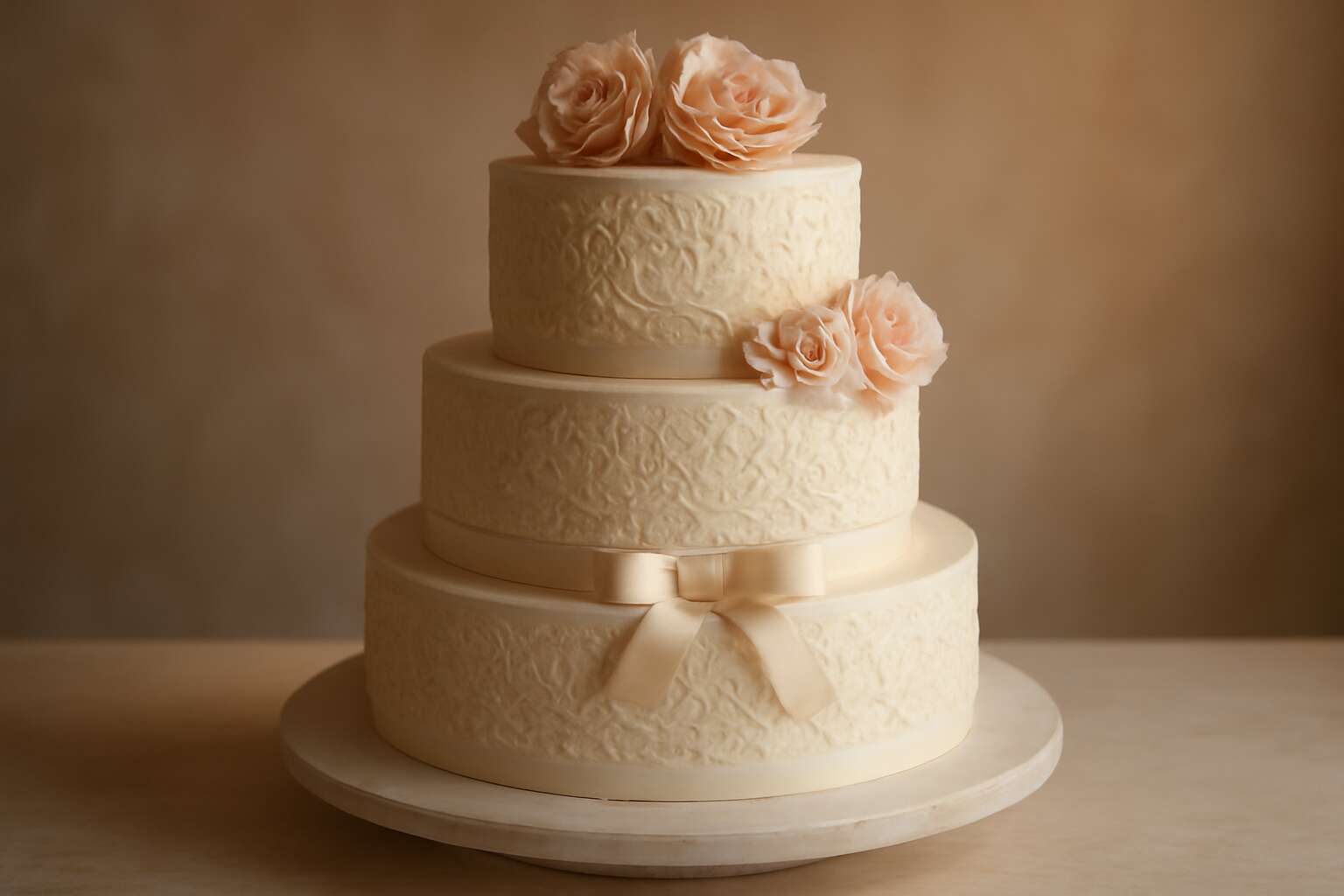
Overview of 3D modeling for wedding cakes
What is a 3D model for wedding cakes
“The cake we imagine becomes the cake we bake,” a motto I carry into every design session, and it rings especially true here in South Africa, where couples crave personal, photo-ready moments. A single wedding cake 3d model can spark clarity and anticipation long before the oven door opens.
Think of a wedding cake 3d model as a digital sculpture—dimensions, tiers, icing textures, and toppers captured in a shareable file. It lets planners, bakers, and venues preview scale, fit, and lighting, while revealing structural needs and feasible decoration paths. The result is a confident, collaborative vision rather than guesswork.
- Proportions, tier counts, and overall silhouette
- Texture options for icing, sugarwork, and delicate details
- Output formats for printing or CNC carving
From silhouette to sugarwork, the workflow feels magical and practical, weaving artistry with engineering so that South Africa’s wedding moments stay as elegant as they are enduring.
Benefits for planners and bakers
In the dim glow of planning rooms across South Africa, a wedding cake 3d model becomes a compass for dreams, turning sugar-laced fantasies into visible thresholds. It offers a tactile forecast of height, balance, and lighting, allowing shadows to reveal flaws and charms before any batter meets the oven. The file is a shared whisper among designer, baker, and venue, bending time toward certainty and turning ambiguity into art.
From silhouette to decoration, the model keeps the vision lucid, revealing how support, stands, and tier flow align with a venue’s rhythm. For planners and bakers, its benefits ripple through every decision:
- Clear scale and fit with stands, stairways, and table plans
- Texture previews for icing, sugarwork, and delicate details
- Formats ready for print, STL, or CNC carving to accelerate approvals
Key terms and file formats used in cake design
Across South Africa’s wedding circuits, 67% want a 3D preview before a tier is baked. Meet the wedding cake 3d model—a visual compass translating dreams into a shareable blueprint. It anchors scale, silhouette, and balance, so florals and sugarwork harmonize before oven heat even whispers!
From concept to mesh, 3D modeling fuses ideas with topology—enough to forecast stands and dowel placement. Expect terms like mesh, UV maps, textures, and thickness. A good model previews icing textures, sugarwork, and how light travels across tiers, saving heartbreak when reality barges in.
- STL for 3D printing
- OBJ for texture and shading
- 3MF for integrated printing data
- STEP/IGES for CAD collaboration
In this quiet collaboration, the cake design breathes as a tangible rhythm rather than a daydream.
Applications in planning and visualization
In SA, 67% want a 3D preview before a tier is baked, and the need for certainty grows by the day. The wedding cake 3d model acts as a visual compass, translating dreams into a shareable blueprint that anchors scale, silhouette, and balance.
In planning and visualization, this model becomes a collaborative heartbeat. I see icing textures, sugarwork ideas, and floral placements align before a spoon meets batter.
- Space planning for tiers
- Lighting and texture previews
- Remote client approvals
- CAD-like precision for builders
With this model, teams move from concept to consensus with confidence, saving time when the real cake arrives.
Design and detailing techniques for cake models
Modeling the cake tiers and geometry
In South Africa’s wedding market, precise cake visuals can cut design revisions by up to 50% once reviewers see a 3D take on the tiers.
Design and detailing techniques for cake models demand clean geometry and tactile finishes. Start with the tiers—define a consistent radius for each level, then vary heights to create grandeur. Use smooth curves, subtle offsets, and accurate scaling so every slice aligns in real life. For a convincing wedding cake 3d model, specify frosting thickness and support placement to prevent distortion during rendering.
- Proportional tiering with consistent radii
- Controlled curvature and edge detailing
Texture, lighting, and perspective bring the model to life, helping planners and bakers preview the cake’s silhouette before a single dot is piped.
Creating realistic icing textures and decorations
Design and detailing techniques for cake models hinge on clean geometry and tactile finishes. To simulate icing, apply soft displacement, micro-sculpted ridges, and subtle speckling that read as buttercream or fondant when lighting hits. Start with proportional tiering and consistent radii, then layer texture ideas that won’t distort at angles. The goal is to craft a convincing wedding cake 3d model that stands up to close inspection.
Texture and decoration breathe life into the model. Consider these textural approaches for icing and adornments:
- Soft buttercream textures with gentle swirls and stippling
- Fondant drapes and lace-like patterns with fine edge detail
- Royal icing accents such as lattice, beads, and sugar-paste flowers
With these techniques, icing textures and decorations read true, making previews of the wedding cake 3d model feel almost edible.
Color palettes and lighting for presentation
Color is memory you can taste. Color shapes the story of a wedding cake 3d model more than any carved fondant detail. For presentation, palette psychology—ivory, blush, and gold—reads under studio lights and in venue spaces. In South Africa, daylight shifts and vibrant florals favor palettes that stay legible on screens and in print. I notice color reading under light is a quiet negotiation between mood and memory!
- Color palettes that sing on camera: off-white bases with subtle metallics, soft blush, and forest greens.
- Lighting concepts that reveal texture without washing details: a balance of ambient daylight and curated highlights.
- Material relationships: matte frost versus glossy glaze to keep color true in renders and photography.
For the wedding cake 3d model to translate into memorable previews, color and lighting must breathe together.
Structural considerations and supports
Light is a co-author of design, coaxing texture into memory; a well-crafted wedding cake 3d model invites the viewer to read the vows baked into geometry. When color and form converse, anticipation sharpens!
Design and detailing techniques give surfaces voice—luster, frost, and fondant patterns that stay legible under studio lights. Consider these textures as the jewelry of the model:
- matte frost to diffuse sharp reflections
- satin glaze to catch subtle highlights
- hand-painted sugar lace for delicate contrast
Structural considerations and supports for a 3d cake model focus on balance rather than bulk. Virtual bracing, tier alignment, and subtle internal cues help the silhouette read as real, even in motion or tilt.
In previews, the dialogue between surface and structure becomes irresistible, guiding planners and bakers to imagine the celebration in vivid, delicious terms; a true synthesis of form and figure.
Decorative sugar work and embellishments
In the atelier of celebration, texture speaks louder than form, from Cape Town venues to Jo’burg ballrooms. Nine out of ten guests remember when sugar lace catches the light, turning a moment into memory. A wedding cake 3d model becomes the visual vow that guides the eye from tenderness to grandeur, inviting observers to linger and dream.
Design and detailing techniques give surfaces voice—hand-piped scrollwork, delicate sugar lace, and color-diffused frosting patterns that stay legible under studio lights. Decorative sugar work and embellishments transform plain tiers into storytelling surfaces.
- hand-piped scrollwork
- delicate sugar lace
- edible gold leaf accents
- polished sugar beads
When the pieces align with subtle balance, the cake reads as a confection that moves with the room. It becomes a focal point that planners and bakers will remember long after the last slice has vanished.
Materials and rendering for cake visualization
Texture mapping for fondant and buttercream
Across South Africa’s weddings, the wedding cake 3d model becomes memory rendered in light, a promise before the first bite. “A cake is memory you can view from every angle,” notes a Cape Town planner, reminding us that materials shape mood.
Materials and rendering fuse performance with presence. Fondant, buttercream, and satin piping must read as edible in a still image. Consider these essentials:
- High‑resolution color and roughness maps
- Subsurface scattering for icing glow
- Flexible gloss options for glaze and fruit
In Johannesburg and Durban venues, lighting decisions sculpt how the cake reads on screen.
Texture mapping for fondant and buttercream hinges on thoughtful UVs and micro‑details: seam reduction, micro-bumps for sugar pearls, and frosting sheen that makes a display bite-sized.
Shader and material setup for realism
Culinarily speaking, a cake isn’t just dessert; in SA weddings it’s a stage prop. A Cape Town planner quips, ‘A cake should be a sculpture you can bite.’ That appetite for realism sets the bar for wedding cake 3d model visuals, where the first glance is a memory you don’t want to forget.
Materials and rendering must fuse performance with presence: shader and material setup should deliver edible-looking icing and glossy glaze under varied lighting. A PBR workflow uses base color textures, roughness maps, and a clear coat for glaze; subtle translucency and micro-details read as edible in static renders. These choices ensure the icing reads correctly from every angle.
Lighting strategies to enhance features
In SA wedding visuals, the cake is not mere dessert but memory made edible in sugar and light. A Cape Town planner whispers, “Let the glaze glow, and the moment lingers!” These words guide the eye toward a stage-ready confection that speaks before a single bite.
Materials and rendering must fuse performance with presence. For a wedding cake 3d model, I find lighting is the brush that reveals icing texture, subtle translucency, and glaze depth under varied moods. A restrained sheen and micro-details read as edible in every frame.
To translate this into a viewer’s experience, consider these lighting cues:
- Soft, directional key light to sculpt icing contours without harsh shadows
- Environment lighting with a balanced HDRI to preserve glaze clarity from all angles
The result is a memory you taste with your eyes.
Rendering engines and optimization tips
In the visual theatre of South African weddings, glaze is memory made visible, and the wedding cake 3d model becomes a mood, not merely dessert. Light wraps sugar into whispers, revealing delicate translucency and glaze depth. A Cape Town planner might murmur: let the glaze glow, and the moment lingers!
For a wedding cake 3d model, materials and rendering fuse performance with presence. The icing textures, micro-details, and sugar translucency unfold under varied moods, read as edible in every frame.
- Rendering engines balance realism with speed to preserve glaze clarity
- Texture maps sized for efficiency, blending color with normals and roughness
- Baked lighting or HDRI reference to stabilize highlights across angles
- Instance sugar work and decorative elements to reduce memory load
In this equilibrium, the wedding cake 3d model remains a memory tasted with the eye.
Workflow, software, and asset management
Popular modeling and rendering tools
Workflow for a wedding cake 3d model begins long before the first voxel rests in place. I trace the journey from concept to render, weaving asset management into every turn—naming, folders, versioning—so that a magical design never becomes a tangled fondant of chaos!
Popular modeling and rendering tools provide sturdy scaffolding for the dream, from precise geometry to buttery lighting:
- Blender
- Autodesk Maya
- 3ds Max
- ZBrush
- Substance Painter
- Arnold
- V-Ray
- Redshift
- Octane
Asset management keeps the dream portable—shared libraries, metadata, and clear revision notes let teams run in harmony. When the wedding cake 3d model moves from concept boards to client presentations, everyone sees its character as clearly as if it were on a marble pedestal.
From sketches to final marketing assets
South Africa’s wedding market learned long ago that a render can become a contract. In 2024, 42% of couples sealed a cake concept after viewing a single wedding cake 3d model on the mood board. In the studio, the quiet workflow feels like a spell that preserves elegance from sketch to silk.
From initial thumbnails to client decks, every stage hums with intent: shaping silhouettes, testing lighting moods, and polishing textures so the model can travel beyond the conference room with confidence. The software hums softly, but the real magic sits in disciplined, human workflow.
- Naming and folder logic that stays legible
- Provenance trails and revision notes
- Shared libraries for branding consistency
- Marketing-ready render variations for decks
Thus the dream travels light, the fondant stays pristine, and the model retains its haunting charm from sketch to showroom.
Project organization and version control
In the wedding cake 3d model game, we know a tidy workflow is the quiet secret behind every show-stopping slice. The market in SA loves a concept that travels—from thumbnail to deck—with confidence, and the team knows that discipline keeps the fondant pristine as it moves toward the showroom.
Software is the trusty toolbox, but the real polish sits in project organization and version control. Clear folders, meaningful naming, and audit trails let designers sleep at night while revisions and comments ride along in a single source of truth—the wedding cake 3d model stays coherent from draft to presentation.
With provenance and lineage baked into the process, our teams glimpse the entire history of a concept without chasing crumbs. The asset ecosystem travels light, and the model arrives ready to win contracts with elegance and a hint of whimsy.
Export formats and client handoffs
A tidy workflow is the quiet secret behind a show-stopping slice. In South Africa, the wedding cake 3d model travels from thumbnail to deck with confidence, turning bold ideas into ready-to-share visuals that win contracts.
Workflow rests on a dependable software stack and strict asset management. Clear folders, meaningful naming, and audit trails let designers sleep at night while revisions ride along in a single source of truth.
- GLTF/GLB for web and AR previews
- FBX and OBJ for partners and fabrication
- USDZ for iOS previews and pitch decks
Handoff checklists and provenance notes keep everyone aligned. A concise bill of materials, version history, and export logs ensure the asset lands ready for review and showroom deployment.

0 Comments