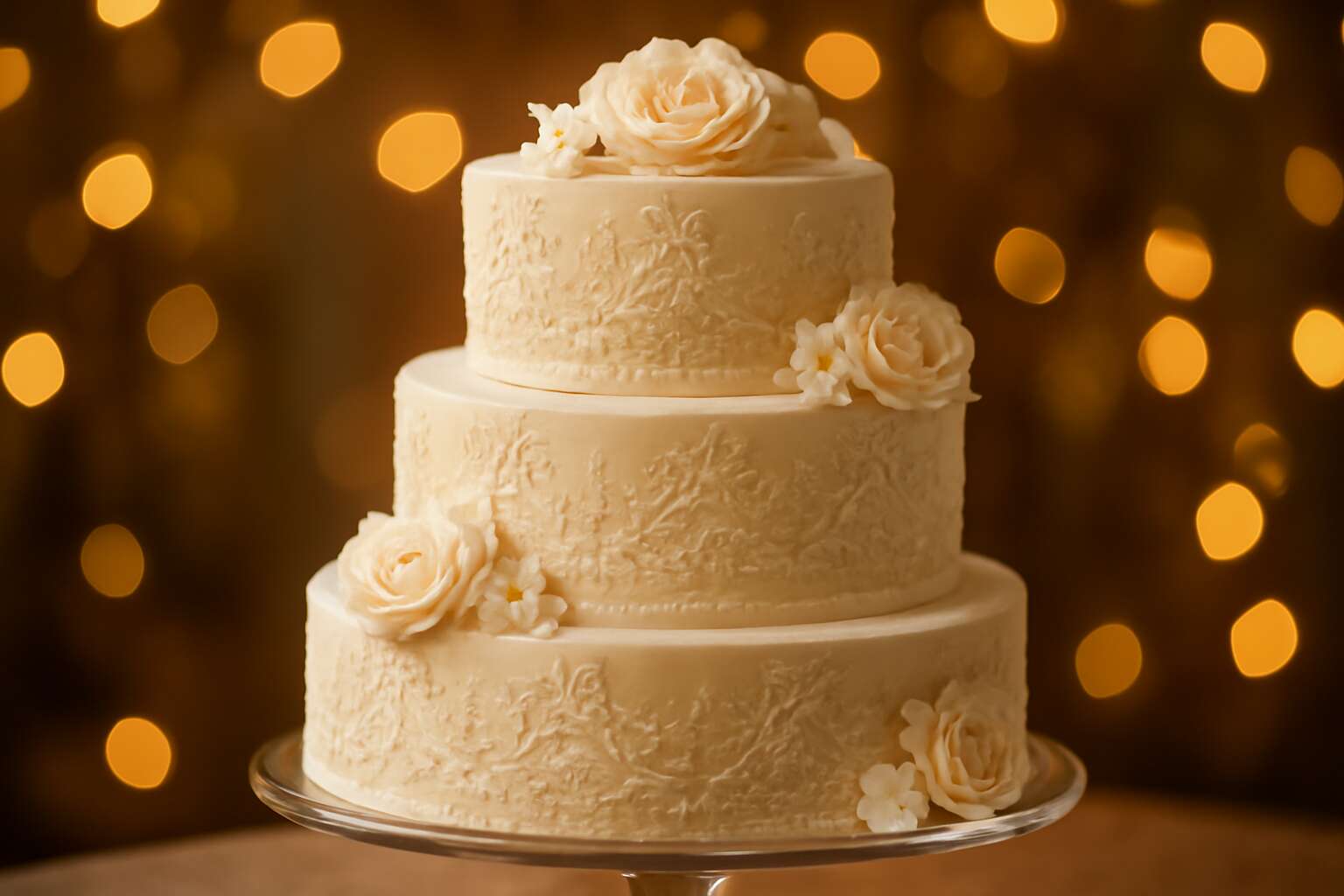
Definition and Purpose of a Wedding Cake Model
What is a wedding cake model and its role
In South Africa’s weddings, the cake is more than sweetness; it is storytelling. A cake can be a memory on a plate and a design that travels with the couple’s journey. To answer what is wedding cake model, consider it a structured blueprint that translates dream into edible architecture, balancing taste, tiers, stability, and the tale it tells. In other words, what is wedding cake model—this living blueprint translates love into edible architecture.
- Structure and stability: how tiers stack safely for service and travel
- Flavor storyboard: pairing fillings with seasonal fruit and local ingredients
- Aesthetic symbolism: motifs and colours that echo the couple’s story
- Budget and logistics: timing, delivery, and waste considerations
Its purpose is to guide design choices, align the cake with venue constraints, and ensure a memorable experience without overshadowing the moment. The model is a lantern—glowing with intention, yet letting the real celebration shine through.
Key components of the model
Definition meets intention when considering what is wedding cake model. In South Africa, a cake does more than sweeten the moment; it frames the ceremony’s quiet drama and the couple’s journey. The model stands as a living blueprint, translating dream into edible architecture while balancing taste, tiers, and storytelling. It guides the eye, the palate, and the practical—so the cake travels with grace. So, what is wedding cake model if not a map of craft and memory?
Key components anchor this concept, ensuring the model remains both poetic and practical. Think of it as a compass for decisions, balancing beauty with service realities in a South African venue.
- Structural integrity for safe assembly and easy transport
- Flavor narrative using local fruit and seasonal staples
- Aesthetic symbolism via motifs and hues echoing the couple’s journey
- Budgetary planning and logistics, including timing, delivery, and waste management
Who designs a wedding cake model
In South Africa, the cake is more than a sweet ending—it’s a portable memory. A Cape Town baker once quipped that ‘the cake travels better than the vows,’ and the line sticks because what is wedding cake model is a living blueprint that translates dream into edible architecture.
This model functions as a guide to balance form and function: it aligns the couple’s story with structural safety, flavour narrative, and visual symbolism, all while fitting the venue timeline and budget. By clarifying choices early, it prevents last-minute drama at the reception.
Benefits for planners and couples
Delving into what is wedding cake model reveals a living blueprint that translates a couple’s dream into edible architecture. In South Africa, the cake is more than dessert—it’s a portable memory that travels with the day, anchoring flavor, form and symbolism. The model serves as a gentle guide, balancing aesthetics with venue constraints, safety, and the rhythm of the celebration.
Benefits for planners and couples include:
- Clearer timelines and vendor coordination
- Budget visibility that prevents last-minute surprises
- Flavour storytelling that complements the ceremony
- Adaptive design that moves with weather and space
For professionals, the model is a communication tool; for couples, it is a shared promise—beautiful, resilient, and memorable. It turns late-night sketches into confident decisions on the day, and in Cape Town or other iconic venues, tastes and memories travel far beyond the doors of the reception.
Materials and techniques used
In South Africa, celebrations wear a vibrant palette, and the cake sits at memory’s heart. A recent survey finds 68% of couples consider cake design the day’s emotional centerpiece, proof that what is wedding cake model is more than dessert—it is a living blueprint for memory.
Definition and Purpose: It is a scaled, expressive representation of the couple’s vision—translating dreams into edible architecture. It acts as a compass, guiding proportions, balance, and storytelling within venue constraints, safety, and the celebration’s tempo.
- Materials: sugar paste, modelling chocolate, gum paste, fondant, edible inks, and food-safe supports
- Techniques: carving and sculpting, piping, airbrushing, and sugar-work finishes
With this approach, the model remains a shared language for bakers, planners, and couples, carrying flavor and form from rehearsal to reception.
History and Evolution of Wedding Cake Models
Origins of cake modeling traditions
Wedding cake modeling is a delicious parable about celebration and craftsmanship. In South Africa, a fresh survey shows 75% of couples choose a centerpiece that doubles as storytelling. So, what is wedding cake model? It’s the edible sculpture that frames the vows before the first dance.
Historically, tiered cakes rose as status symbols, evolving from dense fruit cakes to delicate sugar pastes that could hold portraits and pearls. I’ve watched this evolve into modern sculpted forms that tell personal stories.
- Tiered symbolism becomes modern storytelling
- From fruit cake to sculpted sugar paste
- Local South African motifs join the design
That evolution keeps the model fresh and relevant for planners and couples alike.
Evolution of design tools and methods
In South Africa’s wedding studios, 75% of couples seek edible centerpieces that double as storytelling. What is wedding cake model? It’s the edible sculpture that frames vows and the first dance, a centerpiece that can outlast the cake itself. Tiered cakes began as status symbols, moving from dense fruit layers to sugar pastes capable of portraits and pearls, a trajectory that remains endlessly intriguing.
From freehand carving to precise silicone molds, the design toolkit has evolved with the times. The modern model blends craft with tech: hand-sculpting is complemented by mold-assisted forms, 3D-printed components, and CAD-inspired planning.
- hand-sculpted sugar paste
- silicone molds and bas-reliefs
- 3D printing and digital sculpting
Local South African motifs join the design. This evolution keeps the model fresh for planners and couples alike, weaving bead patterns, beadwork-inspired textures, and silhouettes of wildlife into edible architecture that resonates with heritage and modern festivity!
Iconic styles through the decades
In South Africa, 75% of couples want edible centerpieces that tell a story, anchoring cake design in living memory. Understanding what is wedding cake model helps planners see it as edible architecture that frames vows and the first dance, a centerpiece that can outlast the cake itself.
Iconic styles through the decades reveal shifts in taste, technique, and technology.
- 1920s: Art Deco elegance, clean lines and metallics
- 1950s: towering multi-tier splendor for postwar optimism
- 1980s: sculptural forms with elaborate sugar flowers
- 2010s–present: minimal palettes with tech-assisted details
Today, the model blends heritage motifs with digital precision, keeping the craft remarkably relevant for planners and couples alike!
Modern trends in cake modeling
In South Africa, 75% of couples want edible centerpieces that tell a story, a statistic that reframes what is wedding cake model. What is wedding cake model? It’s edible architecture—cake that frames vows, anchors the first dance, and outlives the frosting with memory as its core.
Historically, these models grew from skilled sugar work to true sculptural art, guided by evolving tools and tastes. The craft absorbed architecture, storytelling, and regional motifs, turning a dessert into a narrative stage where flavors and form converse with guests. This is a practical answer to what is wedding cake model: edible sculpture that carries memory.
Modern trends fuse heritage motifs with digital precision. 3D modeling, laser-cut sugar, edible films, and changeable schematics let planners choreograph spectacle with less waste. The result is a living centerpiece that keeps the craft relevant for today’s South African weddings.
Technology’s impact on modeling methods
History hums in edible stonework. In South Africa, 75% of couples want edible centerpieces that tell a story. Inquiries like “what is wedding cake model” have shaped its evolution—it’s edible architecture—cake that frames vows and anchors the first dance, turning the reception into a memory-built stage. Across South Africa, studios blend memory with sugar, drawing from colonial elegance, bushveld motifs, and urban modernism. From sugar guilds to contemporary sculptors, armature and paste give narratives rise.
Technology accelerates evolution. Digital modeling, laser-cut sugar, and edible films expand the vocabulary, letting planners choreograph spectacle with less waste.
- hand-carved sugar details that catch the light
- armature-driven forms that hold their pose on display
- 3D-printed lattices and edible films for dynamic texture
Notable designers and influence
In South Africa, 75% of couples want edible centerpieces that tell a story, a statistic that reframes what a cake can convey. The wedding cake model now rises as edible architecture, a sculpture that frames vows and anchors the first dance.
To answer what is wedding cake model, it is a living archive of sugar craft—heritage techniques meeting contemporary form, drawing from colonial elegance, bushveld motif, and urban modernism. From armature and paste to edible films, designers let memory shape the surface and the story.
Notable designers have left a deliberate imprint—from sugar guild roots to contemporary sculptors, each signature shaping light, texture, and memory.
- Sugar guild founders shaping craft
- Contemporary sculptors bending pastry to form
- Edible-film innovators expanding surface and motion
The result is a stage where every bite carries a memory and every silhouette holds a promise.
Design Elements and Construction Methods
Structural considerations and safety
Bold, brass, and baked—South Africa’s wedding cake models have become edible landmarks. To answer what is wedding cake model, picture a gravity-defying sculpture assembled from sponge, fondant, and whispered promises. It’s not just dessert; it’s a centerpiece that talks back to the venue.
- Internal supports and dowels
- Sturdy base boards and alignment
- Textural contrast and color plan
Design elements and construction methods hinge on balance and storytelling. The aim is proportion, stability, and a narrative your guests will taste as they look up.
Structural considerations and safety mean even weight distribution, climate-aware coverings, and secure transport. A well-engineered model survives check-ins and photo moments without toppling, keeping décor and appetite intact.
Scale, proportion, and planning
In South Africa’s wedding scene, the cake model is more than dessert—it’s architecture you can taste. A single sculpted confection sets the room’s tempo before the first toast. What is wedding cake model? It’s an edible sculpture that speaks through scale, texture, and narrative.
Scale, proportion, and planning govern the design, ensuring the sculpture reads clearly from every vantage. Consider the venue’s sightlines, the weight of fondant, and the rhythm of decorative motifs.
- Scale-to-venue relationship
- Proportion between tiers and decorative elements
- Planning for transport and setup timing
Construction methods hinge on balance and storytelling—discreet joints, climate-aware finishes, and a transport-friendly base ensure the model survives check-ins and photo moments.
Decorative media and edible materials
So, what is wedding cake model? It’s an edible sculpture that communicates through scale, texture, and narrative. In design elements, the model strikes a balance between silhouette, surface drama, and the rhythm of line as guests move through the room.
Decorative media and edible materials give the piece its voice. The following ingredients and finishes harmonise with venue lighting and South African palettes:
- Fondant and gum paste for sculpted forms
- Sugar paste and royal icing for intricate textures
- Isomalt for crystal accents
- Chocolate for depth and shadow lines
- Wafer paper for delicate petals
Construction methods hinge on balance and storytelling. Discreet joints, climate-aware finishes, and a transport-friendly base ensure the model survives check-ins and keeps its moment for photos and memories.
Decorative techniques: sugar work and piping
Design elements in a wedding cake model hinge on silhouette, surface drama, and the rhythm of line as guests move through the room. It’s a careful conversation between form and function, shaping what is wedding cake model into an edible sculpture that reads in photos and in passing glances. I’ve seen this balance in action in South Africa, where local palettes and venue lighting must harmonise with the centerpiece, turning it into a living moment. It’s transformative!
Construction methods guard that moment in motion. Discreet joints, climate-aware finishes, and a transport-friendly base keep the sugar work and piping from sagging or cracking as the cake travels from kitchen to reception hall.
- sugar work
- piping
Modeling approaches: hand-sculpting vs digital fabrication
Powerful as sugar artistry can be, the real conversation is what is wedding cake model—it’s the dialogue between form and function, silhouette and glow. I find hands-on sculpting offers tactile nuance and human flaw, while digital fabrication brings precision, repeatability, and rapid prototyping. In South Africa, where venue lighting and local palettes bend the eye, these methods must harmonize to become an edible sculpture that photographs with quiet authority.
In construction methods, modeling choices shape transport, stability, and finish. Consider these approaches:
- Hand-sculpting: organic irregularity, artisan control, slower timelines.
- Digital fabrication: rapid prototyping, exacting tolerances, easier scaling.
Maintenance and transport of models
One in three South African weddings now features a cake model that doubles as a keepsake sculpture, a testament to memory meeting craftsmanship. what is wedding cake model? It’s the hinge between form and function—silhouette and glow under venue lighting. In SA, humidity, local palettes, and daylight shifts push designers to balance sweetness with sturdiness, letting texture, proportion, and photography carry the moment from base to crown.
Maintenance and transport demand practical, field-ready choices. For sugar work, internal supports and a rigid spine prevent sag; for lighting, sealed wiring and a prefabricated power tray keep things safe.
- Stability checks and anchor points for tall tiers
- Humidity and temperature control during display and transit
- Protective, labeled transport crates with shock-absorbent lining
With design elements aligned to construction discipline, the cake model travels through South Africa’s venues with quiet authority, arriving pristine and photogenic.
Practical Applications and SEO Strategy
Showcasing models in portfolios and client pitches
Nearly 40% more inquiries follow portfolios that clearly showcase cake modeling. In practical terms, these models act as storytellers, turning concept into anticipation for South African couples and planners. Understanding what is wedding cake model clarifies how the visuals map to expectations—height, balance, and storytelling weight—so your images speak before a single word.
For SEO, align portfolio pages with crisp image names, alt text, and captions that describe scale, texture, and finish. When clients search for wedding cake design concepts, your content should answer with clarity and elegance, weaving the model into a wider story about craft, safety, and transport.
- Multiple angles and scales to show depth
- Clear captions linking visual details to client needs
- Behind-the-scenes notes on materials and construction
In client pitches, pair the model with a concise narrative that marries venue mood with structural wisdom, turning a sculpture into a persuasive case for celebration.
Photography, lighting, and presentation tips
What is wedding cake model? It’s the three‑dimensional visual translator for concept, balance, and storytelling weight—a tangible preview that helps South African couples and planners feel the scale before a single slice is cut.
In practical applications, treat photography as strategy: shoot from multiple angles to convey height, proportion, and texture. Lighting matters—soft daylight or controlled studio glow smooths sugar work and fondant, while presentation ties the model to the event’s mood.
- Capture hero and detail shots to map client needs
- Use consistent lighting to reveal texture and finish
For SEO, answering what is wedding cake model helps frame content for searchers. Place crisp image names, precise alt text, and captions that describe scale, texture, and finish. In South Africa, show how transport and safety considerations shape design choices.
Beyond the lens, the model becomes a story companion—bridging craft, expectation, and celebration in every client conversation.
Keyword research for wedding cake modeling content
Practical applications of the wedding cake model go beyond pretty pictures. It acts as a tangible translator of concept, balance, and storytelling weight, helping South African couples and planners imagine scale, texture, and display before a single slice is cut. In client meetings, the model anchors mood boards, sparks color conversations, and supports on-site planning and display decisions.
- Clarifies height, proportion, and texture in client previews
- Strengthens storytelling in portfolios and pitches
- Supports planning discussions around display and safety requirements
From an SEO vantage, answering what is wedding cake model shapes content choices. Keyword research unveils related questions and local intent; craft crisp image names, precise alt text, and captions that describe scale, texture, and finish. In South Africa, align terms with transport, safety, and event styling to capture search demand.
On-page SEO and metadata best practices
Practically, the wedding cake model anchors mood boards, clarifies height and texture in previews, and sparks colour conversations during client meetings. In practice, “what is wedding cake model” becomes a portable scale reference that travels from studio to venue, guiding display decisions, transport considerations, and on-site safety. It helps South African couples and planners visualise how a centerpiece will read from every angle.
From an SEO vantage, on-page SEO and metadata best practices shape discoverability. Name images crisply, craft alt text that describes scale, texture, and finish, and caption imagery to tell the story. In South Africa, couple local terms with transport and event styling, keep metadata tight, and use structured data so editors and planners find you quickly.
Content clusters and internal linking for long-tail visibility
“A display reads better when the plan is searchable,” a line I keep on my desk. Practical applications of the wedding cake model travel from studio boards to venue backdrops, guiding how a centerpiece reads in daylight and dusk for South African couples.
Understanding what is wedding cake model becomes a hinge for content clusters: pillar pages, linked articles, FAQs, and internal pathways that convert curiosity into inquiries. I map topics so each piece ties to a broader narrative, supporting long-tail visibility for local readers.
- Cluster mapping with core ideas and subtopics
- Internal linking that guides readers from mood boards to venue guides
- SA-focused editorial cadence for local search habits
This approach keeps your site humane and discoverable, inviting editors and planners to explore naturally without feeling sold. The result is steady, long-tail visibility as South African couples plan weddings.
Performance tracking and updates to content
First impressions decide the next step. What is wedding cake model? It’s the blueprint that turns mood boards into a readable, scroll-stopping narrative for South African couples. The model stitches visuals, copy, and structure so readers glide from inspiration to inquiries with minimal friction.
Practical applications unfold as we tune content to local search habits and track SEO strategy performance. We measure what matters—rank stability for the core phrase, time on page, and inquiry rate—and refresh content to stay current. Updates to metadata and internal links keep the model discoverable without feeling forced.
Key focus areas include:
- Performance signals
- Freshness cadence
- Internal navigation polish

0 Comments