Origins and Genetic Lineage
Parent Strains and Heritage
Every great cannabis variety carries a story in its chromosomes. The wedding cake strain, also known as Pink Cookies, emerged from a deliberate cross between Cherry Pie and an unknown but potent Girl Scout Cookies phenotype. That pairing created a lineage that dominates modern dispensaries.
I find the parent strains particularly compelling. Cherry Pie contributes a sweet, fruity character while Girl Scout Cookies brings that dense, resinous structure. Breeders selected for vigor and balanced effects, resulting in a hybrid that feels neither purely indica nor sativa.
- Cherry Pie: sweetness and aroma
- Girl Scout Cookies: potency and yield
This genetic foundation explains why it performs so consistently across growing environments, a trait South African cultivators have come to appreciate.
Breeder History and Development
One breeder joked that the first Wedding Cake batch nearly got tossed for being too sticky to trim. That stickiness made it famous. The wedding cake strain was stabilized by Seed Junky Genetics, who backcrossed it twice to fix flowering time at around 63 days. Early cuts varied wildly, so they culled until only the heaviest resin producers remained. Canadian growers later renamed a clone Pink Cookies, while American markets kept Wedding Cake. Development today focuses on phenohunting and open pollination. Selected traits include:
- Trichome density that dulls scissors.
- Calyx-to-leaf ratio that simplifies trimming.
I’ve seen backyard breeders chase that original batch for years. The genetics remain fluid, which keeps every hunt interesting.
Genetic Composition and Ratios
The genetic recipe for the wedding cake strain reads like a study in controlled chaos. It is not a simple two clone splice. The lineage traces a tangled path from California’s Triangle Kush and Animal Mints, but the ratios matter more than the names. Two parts Kush structure to one part Cookies influence gives the plant its squat, dense frame. The remaining fractions are a gamble, a pocket of recessive traits affecting resin color and terpene volume.
Let’s look at the numbers:
1. 60% Indica dominant genes, which lock in the stocky node spacing.
2. 25% sativa expression, seen mostly in the stretch during early flower.
3. 15% unstable elements, which cause the variance in purple hues and minty gas notes.
That last ratio is why two plants from the same seed pack can smell radically different. One will reek of sour cream and earth. Another pushes forward a sharp, chemical citrus. This genetic fluidity also impacts the high. The trichome heads, which often exceed 28% total weight in elite cuts, are dominated by a mix of humulene and limonene. The instability is a feature, not a flaw. It keeps the wedding cake strain from becoming a sterile, static product. For the South African market, that variance is often the difference between a good crop and a legendary one. The breeders who stabilize these lines are not just picking plants. They are chasing a specific emotional response, one locked in a resin gland shaped by that 15% margin of error.
Lineage Controversies and Myths
Origins of the wedding cake strain are frequently misreported. The internet insists it came from a single greenhouse in California. That story is too tidy. The genetic trail actually points to seed stock passed between growers who shared cuts before branding mattered. Triangle Kush and Animal Mints formed the base, but the exact cross location remains undocumented. I have yet to see a verified breeder log.
- Was it renamed from Pink Cookies to sell better at dispensaries?
- Did the Triangle Kush parent come from a specific 1990s cut?
- Did the name change when the strain crossed state lines?
In South Africa, the wedding cake strain arrives with as much folklore as fact. Growers trade stories of original packs and lost cuts, but the truth lies in unrecorded handoffs. The lineage you hear depends on who profited from the trade.
Aroma, Flavor, and Terpene Profile
Sweet and Earthy Primary Notes
Few cultivars announce themselves before you break the seal. The wedding cake strain greets you with vanilla frosting sweetness, followed by a pepper-like earthiness that keeps things grounded. The aroma shifts as you grind it, revealing fruity esters and a tangy citrus counterpoint. Yet the core stays true to those sweet and earthy primary notes, a marker of genuine phenotypes.
On the palate, the smoke is smoother than expected. Doughy vanilla coats the tongue first; earthy pepper creeps in on the exhale with a faint herbal linger. Caryophyllene drives the spicy kick, limonene adds the lemony zing, and linalool supplies the soft floral undertones. This trio creates a signature duality:
- Dessert-like sweetness up front
- Savoury, peppery depth underneath
- A lingering floral finish
South African growers appreciate this profile in the wedding cake strain because it delivers consistent aromatics without needing heavy nutrient inputs. In my experience, that reliability matters most.
Vanilla, Pepper, and Spice Undertones
The wedding cake strain confronts your palate with a paradox. The first inhale promises dessert. The exhale delivers spice. Vanilla and black pepper occupy the same moment without resolving into either. The spice undertones gather on the back of the tongue, subtle but persistent.
The flavor sequence unfolds in distinct phases:
- Vanilla softness coats the palate
- Pepper sharpness cuts through the sweetness
- Spice residue lingers well after the exhale
This duality shapes the entire experience. The aroma does not reveal its intensity. I have watched South African growers adjust curing times to control the pepper sharpness. Vanilla remains constant. Spice sharpens in dry conditions. The profile rewards attention.
Dominant Terpenes and Their Roles
Caryophyllene dominates the wedding cake strain’s terpene profile, commonly exceeding forty percent of total terpenes. This single molecule dictates the cultivar’s pungency. Limonene provides a citrus lift. Myrcene contributes earthy depth.
The roles of these terpenes are functional, not decorative! Caryophyllene binds to CB2 receptors, supporting inflammatory balance. Limonene modulates serotonin uptake. Myrcene increases blood-brain barrier permeability, which explains the cultivar’s rapid, potent onset. I have tested phenotypes that diverge sharply despite sharing the name. Secondary players include:
- Humulene: woody, appetite suppressing
- Linalool: floral, nervine calming
- Pinene: piney, alertness promoting
South African growers track harvest timing because terpene ratios shift daily. One extra week changes the wedding cake strain considerably. Soil composition and climate further alter these ratios. Regional phenotypes vary noticeably as a result.
Flavor Comparison to Similar Hybrids
I have smelled countless “cake” strains that taste like nothing after the first inhale. This wedding cake strain does not disappoint! Almost every phenotype smells sweeter than it tastes, which confuses first time buyers. The aroma leans toward confectionary vanilla with a sour edge from limonene, while the flavor turns peppery and dry on the exhale.
Compared to similar hybrids, it sits closer to Thin Mint Girl Scout Cookies in its peppery finish, but it lacks that cultivar’s sharp mint. It shares the cake-like sweetness of Birthday Cake, though with more caryophyllene-driven spice:
- Less citrus than Wedding Crasher
- More woody humulene than most dessert strains
Influence of Curing on Taste
I have watched cultivators ruin a flawless wedding cake strain by opening the jar twice a day. Each peek lets moisture escape, fading the delicate esters behind its sweet frosting aroma. Hold the buds at 62 percent humidity, and the sharp limonene note retreats while the vanilla steps forward.
Flavor follows the same pattern. Early pulls taste flat and grassy, but after three weeks of curing, the smoke finishes with peppery caryophyllene. That spice builds slowly rather than hitting you in the first second.
The terpene profile influence of curing on taste is the underrated part of the process. The cure rearranges terpenes in a sequence:
- Week one: volatile monoterpenes fade, letting sour notes lead.
- Week two: humulene adds woodiness beneath the sweetness.
- Week four: caryophyllene dominates the exhale and turns the profile peppery.
The wedding cake strain punishes impatience. Open too soon, and the intended profile never lands.
Effects, Benefits, and User Experience
Initial Cerebral Uplift and Euphoria
Within minutes of the first exhale, the wedding cake strain delivers a distinct cerebral uplift. Users often describe a sudden brightness in mood, a sharpening of focus that feels effortless. This initial euphoria is not overwhelming; it arrives like a steady wave, encouraging conversation and introspection alike. For many, the benefit is immediate relief from mental fog or daily stress. The experience tends to smooth over social awkwardness, making simple interactions feel more genuine.
Common user reports include:
– A light-headed, floating sensation
– Increased appreciation for music and laughter
– A quiet but persistent optimism
These effects usually settle into a calm body stone, yet the opening rush remains memorable. People in South Africa seeking a balanced daytime strain often value this precise onset.
Progressive Full-Body Relaxation
As the cerebral brightness settles, a distinct physical ease takes over. The wedding cake strain guides you into a state of deep muscular release, often starting from the shoulders and moving slowly downward. Your neck unclenches, your back softens, and the day’s accumulated tension begins to drain away without any conscious effort.
The benefits of this phase go beyond simple drowsiness. It encourages a slower pace, letting you reconnect with your body after hours of mental activity. Common user reports include:
- A pleasant heaviness in the limbs
- Reduced tightness in the jaw and neck
- A gentle slowing of the breath
For many in South Africa, this progressive relaxation is a welcome counterweight to a hectic schedule. It does not force sleep, but it makes stillness feel natural and earned. The wedding cake strain earns its reputation as a versatile choice for those seeking a calm, grounded conclusion to their day.
Reported Medical and Therapeutic Uses
Many chronic pain patients in South Africa exhaust conventional options before considering cannabis. The wedding cake strain has earned a following among those seeking relief without heavy sedation. Its balanced genetics allow users to remain clear-headed while experiencing meaningful symptom relief.
Reported medical and therapeutic uses include:
- Managing neuropathic pain that resists conventional medication
- Reducing anxiety-related muscle spasms
- Stimulating appetite for those undergoing treatment
- Improving sleep quality for chronic insomniacs
Users consistently report that the wedding cake strain helps them feel present rather than numb. It does not eliminate discomfort, but it makes it more bearable, allowing the body to regulate itself again. That distinction matters for people seeking genuine relief rather than temporary escape.
Potential Side Effects and Precautions
South African consumers regularly note that the wedding cake strain suits daytime use despite its potency. The mental clarity it preserves allows users to complete tasks, while the body settles into a comfortable stillness. This combination explains its popularity among remote workers and chronic pain patients who need functional relief.
That said, the wedding cake strain demands respect. Newer consumers may encounter:
Dry mouth and mild eye pressure
Dizziness when standing too quickly
Heavy lethargy after the euphoria fades
Experienced smokers should treat each session as individual. A single inhalation followed by a ten minute wait prevents the overwhelming sedation that surprises many users. Most side effects resolve within the hour, though drowsiness can linger and amplify when combined with alcohol or sleep aids.
Duration, Onset, and Ideal Consumption Times
The wedding cake strain typically reveals itself within five minutes of the first inhalation. A cerebral tingle arrives first, sharpening focus before the physical sensations follow. The peak settles around the twenty minute mark, where many South African users find their creative rhythm. Effects usually last two to three hours, with a gradual taper that leaves room for normal activities.
This strain suits people who need functional relief. I have seen remote workers sustain attention through lengthy reports, while chronic pain patients move through daily tasks without sedation. The wedding cake strain preserves mental engagement while softening physical tension. That combination makes it reliable for midday use.
Consider these ideal consumption windows:
- Morning for structured creative work
- Mid afternoon for pain management with clear focus
- Early evening for social gatherings without couchlock
The onset is gentle, giving you time to assess your tolerance. Beginners should pause after one inhalation. The wedding cake strain rewards patience, and its effects build steadily rather than overwhelming you.
User Reviews and Community Feedback
Growers in the Western Cape call the wedding cake strain a steady performer. The effects arrive without surprise. Users report a clear headed focus that improves conversation, followed by a muscular ease that does not force sleep. That balance matters for people with remaining tasks.
Community feedback centers on consistency. Regulars say the strain produces the same result every session. One patient noted that afternoon anxiety dropped after a single use, while her focus stayed intact. Another mentioned using it before a long drive, though that is not an endorsement.
- Users praise the smooth comedown, no sudden crash
- Several reviewers mention increased sociability without rambling
- Chronic tension sufferers report relief that outlasts the high
The benefits reach beyond recreation. For many, the wedding cake strain works as a tool for quiet productivity. It does not boost energy; it lessens tension. That is why the community returns to it.
Cultivation and Growing Guidelines
Indoor vs Outdoor Growing Suitability
The wedding cake strain rewards patience during the vegetative stage, as this hybrid responds well to consistent light schedules and low stress training. I have found that keeping a steady 18 hour indoor cycle helps manage its dense foliage. Indoor growers also control humidity, which matters because the thick buds are prone to mold. Outdoors, the wedding cake strain thrives in Mediterranean climates with long, dry autumns. South African growers in the Western Cape often see excellent results with this approach.
A quick comparison for planning:
– Indoor flowering takes 8 to 10 weeks.
– Outdoor harvest lands in late April to May.
Stable conditions reduce hermaphroditic traits, so your choice depends on available space and seasonal rainfall. Choose the method that suits your environment best.
Flowering Time and Expected Yields
The wedding cake strain demands a gardener’s patience, but the reward arrives with the autumn equinox. After the initial eight week vegetative stretch, the flowering period becomes a lesson in restraint. Indoor growers typically observe a flowering window of 8 to 10 weeks, during which the colas swell with remarkable density. I have found that the final two weeks are crucial for trichome development, so resist the urge to harvest early.
Yield expectations vary considerably based on your environment.
– Indoor setups often produce between 400 and 500 grams per square meter.
– Outdoor plants in ideal conditions can yield upwards of 600 grams per plant.
– Greenhouse cultivation offers a middle ground, often reaching 450 grams per square meter.
The wedding cake strain produces heavy, resinous flowers that require careful support during the final weeks. Outdoor growers in South Africa should anticipate harvest time from late April through May, depending on local microclimates. The plant’s natural vigour means it can handle moderate stress, but sudden temperature shifts will impact bud density. Monitoring the trichome colour, from clear to milky to amber, provides the clearest signal for harvest readiness. The wait is substantial, yet the terpene profile and resin production justify every moment of vigilance.
Nutrient and Feeding Requirements
The wedding cake strain demands a disciplined hand when it comes to nutrients. This cultivar rewards moderation over excess, and I have learned to read its leaves like a diary. During the vegetative stretch, nitrogen is your ally, but too much invites a soft, sprawling structure. As the photoperiod shifts to bloom, phosphorous and potassium must take the lead while nitrogen tapers off. South African growers often face alkaline tap water, so buffering your solution to a pH of 6.2 prevents lockout.
Calcium and magnesium supplements become essential during weeks five and six, as the plant’s metabolic load peaks. A simple feeding rhythm works best:
1. Vegetative weeks: 3-2-1 ratio at half strength.
2. Early bloom: Increase phosphorous and potassium.
3. Final two weeks: Flush with plain water only.
Watch for burnt tips, which signal salt accumulation. The wedding cake strain responds to consistent, moderate feeding, and its terpene brilliance emerges when you resist the urge to push harder.
Common Pests, Diseases, and Prevention
Spider mites love a dry room, and powdery mildew thrives when the nights turn cool. In South Africa, both arrive without warning. The wedding cake strain grows dense, so air circulation matters more than most growers assume. I check the undersides of leaves every second day during the stretch phase.
A simple routine keeps trouble away:
- Keep humidity below 55% during flower.
- Prune lower branches to open the canopy.
- Apply neem oil only in vegetative growth.
- Quarantine new clones for two weeks before introducing them.
Root rot is the silent killer. Overwatering invites pythium, especially in heavy soil. Let the pots dry back completely between waterings. The wedding cake strain rewards vigilance, but it forgives mistakes if you catch them early.
Training Techniques for Optimal Structure
The wedding cake strain grows with a natural inclination toward a central cola, but without intervention, lower branches lag and stretch unevenly. I use a structured training approach. Topping at the fourth node encourages lateral shoots, while low stress bending opens the canopy to light. This structure supports the dense buds that this cultivar produces.
When I shape the wedding cake strain for optimal airflow and light penetration, I rely on a simple sequence:
- Top above the fourth node during early veg.
- Tie down the dominant branches to horizontal angles.
- Remove any growth that fails to reach the trellis net.
- Thin inner foliage only after the stretch finishes.
The plant responds quickly, but overtraining causes stress. Allow recovery time between sessions, especially under South African summer light.
Harvesting, Drying, and Curing Cues
Most growers miss the optimal harvest window for the wedding cake strain by a week or more. Trichomes shift from clear to milky to amber, and the moment you choose changes the high entirely. I check the calyxes, not the sugar leaves, because sugar leaves turn amber earlier and mislead you. Harvest at roughly 15 percent amber trichomes for balance, or earlier for a more cerebral effect.
The dry matters as much as the grow. Hang whole branches in a dark room at 18 to 20 degrees Celsius with 55 to 60 percent humidity. Aim for seven to ten days. When small stems snap instead of bending, the buds are ready for the jar.
Curing is where the wedding cake strain reveals its dessert profile. Burp the jars daily for the first two weeks, then weekly for a month. Patience prevents the grassy, chlorophyll taste that ruins otherwise perfect buds.
Purchasing, Pricing, and Legal Considerations
Where to Find Seeds and Clones
Hunting for the wedding cake strain in South Africa starts with understanding the legal rules. Private growing is legal, but buying and selling remains tricky. Seeds and clones appear through online banks, local dispensaries, and community networks. Prices fluctuate based on breeder reputation and stock availability.
Consider these sources:
– Seed banks with verified shipping to South Africa
– Dispensaries that carry feminized clones
– Cannabis clubs and reliable hobbyist groups
I prefer clones for immediate results, though seeds offer genetic variety. Always verify the vendor’s legitimacy. A low price often signals low quality. Expect to pay a solid premium for authentic wedding cake genetics.
Price Range and Market Availability
The wedding cake strain commands a premium in South Africa’s evolving market. Buyers should expect to pay between R120 and R180 per gram depending on region and vendor reputation.
Pricing follows scarcity. Handlers who acquire authentic genetics often set prices based on cultivation costs rather than a fixed standard. I have seen prices shift by twenty percent within a single season.
Legal compliance remains the buyer’s responsibility. While private cultivation is permitted, purchasing flower for resale carries risk. Keep quantities within personal use allowances.
- First time buyers should confirm whether quoted prices reflect cured flower or freshly harvested material
- Bulk purchases sometimes attract a discount but verify the weight carefully
- Market availability tends to peak after autumn harvests and thin out by late winter
The wedding cake strain appears sporadically in Cape Town, Johannesburg, and Durban. Buyers who hesitate often miss the opportunity entirely.
Legal Status and Compliance Notes
Legal status for the wedding cake strain in South Africa remains a patchwork of nuance. The Cannabis for Private Purposes Act permits personal cultivation and possession, but it does not license commercial sales. This distinction creates a grey zone for buyers. I have watched shoppers assume that a vendor with a storefront operates legally. That assumption is risky.
Compliance notes hinge on quantity and intent. Keep your stash within provincial limits, and never accept flower that arrives vacuum sealed with unfamiliar packaging. Ask for lab results if available. A legitimate seller will not flinch.
- Confirm the source before handing over cash.
- Document your purchase date and weight.
- Store your receipt away from the product itself.
Purchasing the wedding cake strain demands vigilance. Pricing varies wildly between regions, and legal exposure follows the buyer, not the seller. Treat every transaction as your responsibility.
How to Identify Authentic Products
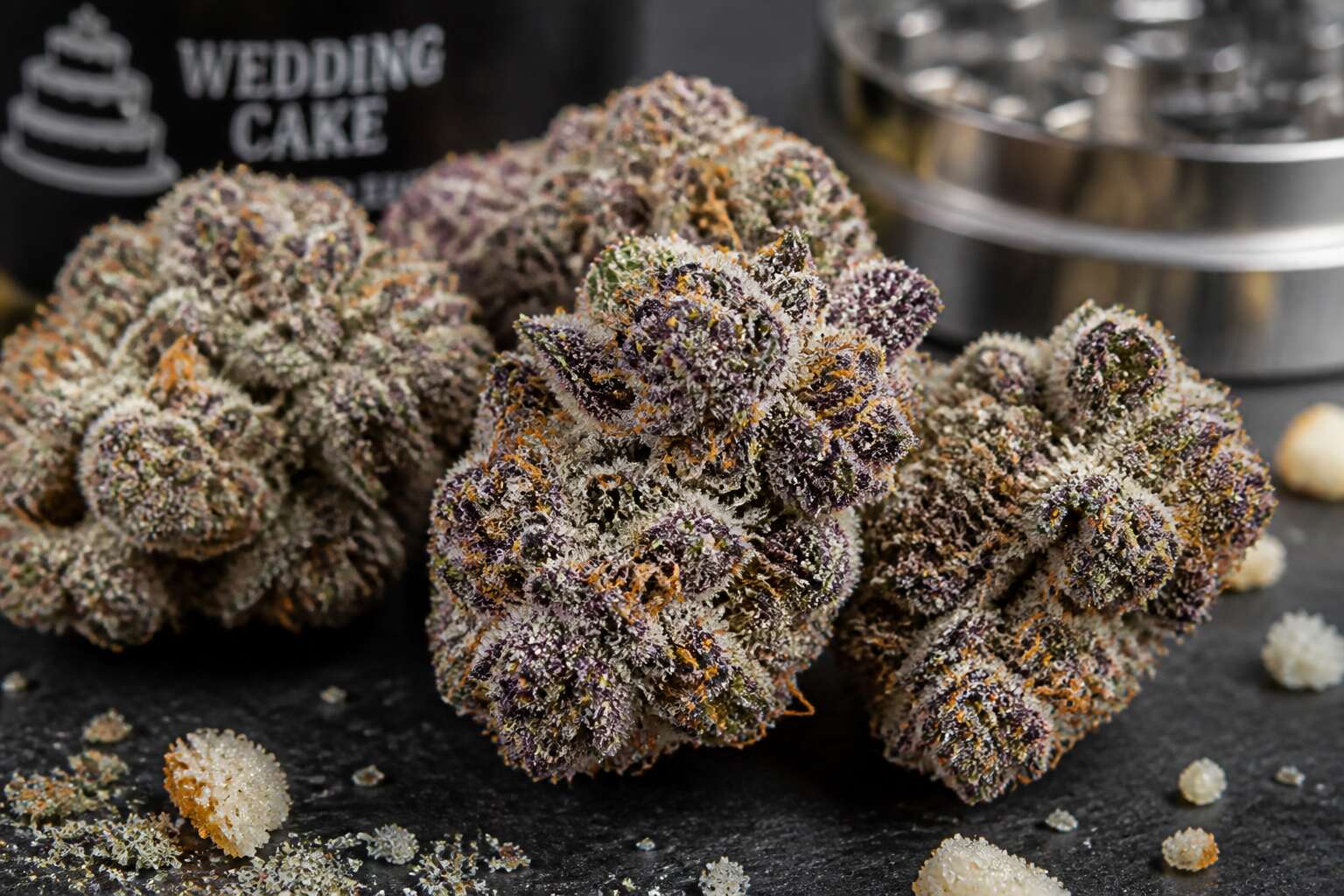
I have watched buyers lose money on fake flower. Secure a vendor who treats the wedding cake strain as a serious cultivar, not a roadside novelty. Pricing differs sharply between provinces, and legal exposure follows the buyer. Your receipt and your restraint are your only protection. To identify authentic products, inspect the bud structure and trichome density. A genuine batch offers dense, frost-coated calyxes with a pungent vanilla-earth aroma. Beware of flat, dry flower or muted scent. Verification steps:
- Ask for terpene profiles and harvest dates.
- Require visible lab results or a batch number.
- Compare the weight against your own scale.
A seller who hesitates at these requests is selling something else. The wedding cake strain demands discernment, and every rand you spend requires your own due diligence.
Comparisons to Other Popular Hybrids
Across South Africa’s legal cannabis landscape, the wedding cake strain commands a premium that outstrips most popular hybrids. While Durban Poison and Jack Herer settle at lower price points, the cake’s trichome density and cure time push it into a higher bracket. Expect to pay 15 to 25 percent more per gram compared to those sativas.
Purchasing legally requires a prescription under the SAHPRA framework. I have seen buyers pay double for imported batches! The wedding cake strain’s THC percentage often exceeds 25 percent, placing it in the same regulatory class as high-THC strains like Girl Scout Cookies. But legal exposure differs. Some dispensaries list it as import-only, raising both cost and compliance burdens.
Compare these variables when shopping:
- Terpene-rich batches from licensed growers fetch higher prices
- Imported flowers carry customs documentation requirements
- Local cultivars reduce risk but change the flavor profile
Buyers who grasp these tradeoffs fare better.




0 Comments