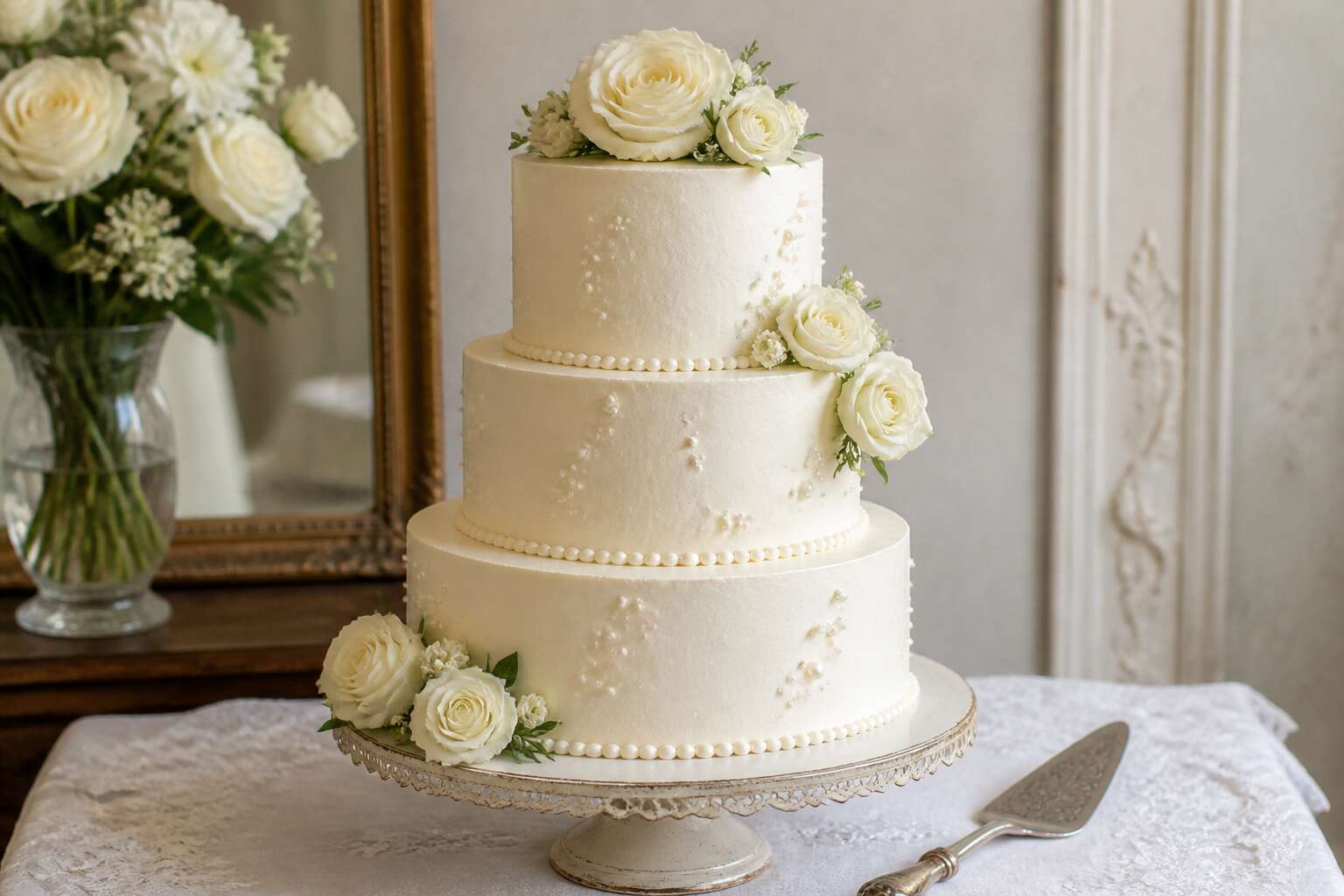
Selecting the Perfect Cake Mix and Ingredients
Top Boxed Cake Mix Brands for Weddings
Brides and grooms across South Africa are discovering a delightful secret: a stunning wedding cake can begin with a simple box of cake mix. This approach offers a practical way to manage your wedding budget without sacrificing flavour or elegance. By viewing the mix as a blank canvas, you can create a confection that is both personal and memorable.
The key to success lies in the details. Begin by selecting a high-quality vanilla or white cake mix, as these provide the most neutral base for your customisation. To achieve a homemade taste, replace the water with full-cream milk and use butter instead of oil. Adding an extra egg will give your cake a richer, more tender crumb that holds up beautifully under fondant or cream cheese frosting.
Flavour adaptation is where you can infuse local character into your celebration. For a distinctly South African twist, consider folding in a touch of Amarula cream into the batter for a subtle caramel note. Alternatively, a hint of rooibos tea, steeped in warm milk before adding, offers a gentle, earthy fragrance that pairs wonderfully with a white chocolate ganache.
When it comes to assembly, a solid foundation is crucial. After baking and cooling your layers completely, level them with a serrated knife for a perfectly flat surface. Create a simple syrup using equal parts water and sugar, and brush each layer lightly. This locks in moisture and helps your fillings adhere. A smooth buttercream crumb coat is essential before the final frosting, ensuring no stray crumbs ruin your pristine finish.
For those concerned about time, consider baking your layers a few days in advance. Wrapped tightly in plastic and stored in the fridge, they maintain their freshness and become easier to handle. This do-ahead approach lets you focus on the final decoration on the day itself. Whether you choose fresh flowers, macarons, or a minimalist drip design, the result will feel bespoke.
Ultimately, a wedding cake recipe with cake mix is about smart shortcuts that do not compromise on quality. It frees up more of your budget for the band or the venue, while still delivering a centrepiece that tastes as good as it looks. This method allows you to spend less time sweating in the kitchen and more time celebrating with the people you love.
How Many Boxes Do You Need for a Multi-Tier Cake?
The average three-tier cake serves 100 guests, yet many couples underestimate the box count until the final hour. A single box yields about four cups of batter, enough for two 8-inch rounds. For a wedding cake recipe with cake mix, precision in quantity matters as much as ingredient quality.
Selecting the perfect mix starts with the label. Avoid mixes with artificial vanilla or preservatives. Look for real vanilla extract and a crumb structure that can bear the weight of stacked tiers. The fat content in your dairy directly affects how well the layers hold their shape. I always test a new brand before committing to the full order.
For a three-tier cake with 6, 9, and 12 inch layers:
- 6 inch tier: 1 box, about 12 servings
- 9 inch tier: 2 boxes, about 30 servings
- 12 inch tier: 3 boxes, about 60 servings
Six boxes total. Add one extra for trimming and trial bakes. The cost of one box is far less than the stress of a shortfall on the wedding morning!
Key Add-Ins That Make Cake Mix Taste Homemade
Selecting the perfect cake mix starts with patience. Many bakers grab the first vanilla box, but the label reveals everything. A wedding cake recipe with cake mix demands real vanilla extract and minimal preservatives. The crumb structure matters for stacked tiers. I once tested a mix that tasted fine alone but collapsed under fondant.
Key add-ins make cake mix taste homemade. Swap water for buttermilk. Use melted butter instead of oil. Add an extra egg yolk. A pinch of salt balances sweetness.
- Buttermilk for a tender crumb
- Melted butter for depth
- Two egg yolks for richness
- Almond extract for a subtle lift
That extra effort turns a boxed base into something memorable!
Butter vs. Oil: The Fat Debate
Most bakers ignore the fat type listed on the box, and that error surfaces when a wedding cake recipe with cake mix shreds under stacked tiers. Selecting a mix starts with protein content. High protein builds a crumb robust enough to hold fondant. Then the butter versus oil debate begins.
Butter delivers a firm texture for the cake and gives a deeper richness that carries through the final product. Oil produces a spongier crumb that stays moist even on humid days. For a wedding cake recipe with cake mix, the decision rests on your execution plan. Do you plan to carve shapes? Butter holds the form. Do you need a super soft bite? Oil dominates.
- Butter offers a dense crumb that supports carving and stacking.
- Oil imparts a tender, elastic crumb for casual cupcakes or simpler tiers.
Use a light hand when testing each fat. That single swap changes how the finished tiers perform, long past the oven and into the venue.
Customizing Your Box Mix for Bakery-Style Texture
The Secret to Extra Moist Cake Layers
Most wedding cakes are judged by their first forkful. A dry crumb can ruin the entire celebration. Achieving bakery style texture from a box mix requires controlling hydration. I let the batter rest for thirty minutes before baking. This allows flour to absorb moisture, producing a dense yet tender crumb structure. Adding one extra egg white strengthens the structure without extra fat.
For extra moist cake layers, brush each cooled layer with sugar syrup. Then wrap them in cling wrap overnight. This technique works in a wedding cake recipe with cake mix, giving layers a professional finish. The cake slices cleanly, with a mouthfeel that feels from scratch.
Substituting Water for Dairy and Other Liquids
Water is the default liquid in a boxed mix, but it is a passive ingredient. Swap it for full cream milk and the crumb gains a velvety character. Buttermilk brings a subtle tang and a tender bite. Coffee amplifies chocolate layers while adding depth without sweetness. For any wedding cake recipe with cake mix, these small substitutions matter more than the brand itself. A bride from Durban once told me her grandmother used rooibos tea in place of water. That simple change created a distinctly South African flavour profile! Your choice of liquid can transform an ordinary mix into something quietly extraordinary. Even a wedding cake recipe with cake mix responds well to this kind of attention.
Consider matching the liquid to the cake’s role. Milk suits a white wedding cake. Buttermilk pairs with caramel or spice layers. Coffee complements mocha or chocolate tiers.
Adding Extracts, Zest, and Spices for Signature Flavor
A wedding cake recipe with cake mix gains bakery-style texture through small adjustments. Add one extra egg white and beat the batter for three full minutes. This introduces air and builds structure. Let the mixture sit for a short rest, which allows the flour to hydrate. The result is a resilient crumb that holds carved tiers well.
Flavor comes from extracts, zest, and spices. A few drops of orange blossom water or the grated rind of a lemongrass stalk can define a cake. For a warm profile, blend cinnamon with a touch of ground ginger. These elements work together in any wedding cake recipe with cake mix.
Incorporating Pudding Mix for Structure and Sweetness
A wedding cake recipe with cake mix that skips pudding mix is a decision you will regret at the first cut. Instant pudding provides the structure that boxed mixes often lack. Its starches and gums trap air and liquid, creating a denser yet springy texture. This matters when you stack layers on top of each other.
Use one small box of pudding for every three boxes of cake mix. Whisk it into the dry ingredients first. This prevents lumps and ensures even hydration. Pick flavors that complement the cake:
- Vanilla pudding for a classic layer
- Chocolate pudding for a rich tier
- Butterscotch pudding for a caramel note
The sweetness from pudding is subtle. It rounds out the sugar and salt without overwhelming. This small addition turns a shortcut into reliable structure.
The Role of Eggs: Whole, Whites, or Yolks?
In a wedding cake recipe with cake mix, eggs control crumb structure. Whole eggs offer fat and moisture, producing a balanced, tender layer that holds its shape under fondant. The bakery style texture you actually want, though, often depends on separating the duo.
Whites create height and a tighter crumb. They dry the batter slightly, which helps when you need sturdy tiers. Yolks add richness and a golden hue, but too many make the cake heavy. For a typical three box batch, start with three whole eggs and one extra yolk. That ratio gives structure without toughness.
When you adapt a wedding cake recipe with cake mix, eggs become your primary lever. Consider your filling weight. A light buttercream can handle the standard approach. A dense fruit compote requires more stability from whites alone. Adjust based on what you stack.
Step-by-Step Baking and Layer Preparation
Preparing Pans and Liners for Clean Release
A wedding cake that refuses to release from its pan can reduce even the calmest baker to tears. Before you even think about mixing, prepare your pans like your marriage depends on it. For any wedding cake recipe with cake mix, the shortcut is lining the bottom with parchment paper.
Cut a circle to fit precisely, then grease the entire interior. Butter works, but a neutral oil spray offers more even coverage. Dust with flour and tap out the excess. That extra minute prevents a crumbled disaster.
- Trace the pan bottom on parchment and cut inside the line.
- Spray the pan sides and the paper.
- Add a tablespoon of flour and rotate to coat.
Skip the wax paper. It melts at high temperatures. Foil tears easily. A proper liner is your insurance policy, ensuring each layer slides out whole and ready for stacking.
How to Fill Pans Evenly and Avoid Air Bubbles
The silent killer of a wedding cake recipe with cake mix is the air bubble. A single trapped pocket of gas expands in the oven’s heat and forces the structure to rise unevenly, leaving you with a lopsided tier you cannot disguise with fondant. Nearly thirty percent of home bakers report cracks or holes in their final layers, a flaw that is entirely avoidable.
Pour the batter with intention. Do not scrape it in with reckless abandon, but guide it into the centre of the prepared pan, letting it settle outward in its own time. The heavy flow will push smaller air pockets to the surface. Then, take a skewer and cut through the batter in a slow figure of eight. This action releases the deeper, more malevolent bubbles hiding below.
After the skewer, lift the pan several inches and drop it flat onto the counter. The impact is your final exorcism.
– Repeat the drop two or three times to bring hidden air to the surface.
– Watch the batter smooth over itself like a calm lake.
– Do not overdo it or you will deflate the leavening agents.
Portion control matters when scaling a wedding cake recipe with cake mix. A kitchen scale is your only true ally. Weigh each filled pan to ensure they match within two ounces. Uneven weight means uneven baking, and no amount of crumb coat will fix a thin layer. You are not just mixing ingredients here. You are engineering a foundation for the most photographed object in the room. Hold the pan steady, breathe, and let gravity do its quiet work.
Baking Times and Temperatures for Large Batches
Ovens vary by as much as 25 degrees from their set point, and that gap can sink a large batch. My first step for any wedding cake recipe with cake mix is to preheat for a full twenty minutes with an oven thermometer on the middle rack. I trust that reading over the dial every time!
Baking times for thick layers depend on pan size and batter depth. A 10 inch round needs roughly 35 minutes at 325°F, while a 14 inch round might need 50. Start checking the smallest tier at the earliest mark.
- Rotate pans halfway, but only if the oven does not dip below 300°F.
- Test each layer with a toothpick in three spots.
- Rest layers in pans for ten minutes before unmolding.
Work in batches rather than crowding the oven. One rack means even heat, and even heat means layers that stack without needing excessive trimming.
Cooling, Leveling, and Slicing Layers Like a Pro
A cake that smells done is still fragile inside. The ten minute rest in the pan only begins the process. After unmolding, cool each layer completely on a wire rack. I never level a warm cake. The crumb will tear and the layer will bow. A wedding cake recipe with cake mix often produces domed tops, so patience pays off! Allow two hours of cooling, or wrap and chill overnight.
Once cool, level each layer with a long serrated knife. Place the layer on a turntable. Saw gently from edge to edge. For splitting into thinner layers, follow this sequence:
- Measure the cake height.
- Mark the halfway point with toothpicks.
- Rotate the turntable while guiding the blade.
- Steady the knife with your other hand.
The result is a flat surface that stacks without gaps. Slicing cleanly also prevents the filling from spilling out.
Filling, Stacking, and Frosting Your Wedding Cake
Choosing the Right Frosting for Boxed Mix Cakes
Filling a multi-tier wedding cake from a wedding cake recipe with cake mix requires patience. Each layer needs a thin spread of filling, such as a simple buttercream or fruit compote, to add moisture without overwhelming the crumb. Stacking calls for dowels and a sturdy cake board, especially for heavier tiers.
Choosing the right frosting for boxed mix cakes is about texture and stability. Swiss meringue buttercream holds up well in warm weather, while cream cheese frosting adds tang but needs refrigeration. Consider a ganache drip for a sleek finish.
- Use a crumb coat to seal loose crumbs before the final layer.
- Chill the stacked cake for 20 minutes between coats.
The frosting should complement the cake’s density, not overpower it. A thin, glossy glaze works for lighter mixes, but a thick and fluffy frosting supports a robust structure. Test your frosting on a small piece first.
Making a Simple Syrup to Keep Layers Moist
A boxed mix is a blank canvas; the true artistry begins with the assembly. Your choice of filling and frosting can elevate a simple sponge into a memorable centrepiece. When building a multi-tiered cake, structure is non-negotiable. A heavy, rich filling can cause a softer crumb to slide, so consider a lighter curd or a whipped ganache for the internal layers.
The order of operations matters profoundly. You will want to prepare your fillings and frostings before you begin stacking, ensuring they are at the correct consistency for spreading. Work methodically to create a stable, beautiful result.
– Start with a generous dollop of frosting on the cake board to anchor the bottom layer.
– Pipe a barrier of frosting around the edge of each layer; this acts as a dam to hold in the filling.
– Spread the filling evenly within the dam, ensuring it reaches the edges.
– Place the next layer on top, pressing down gently to level the stack.
– Insert dowels for support on any tier that will bear weight above it.
Always apply a thin crumb coat first. This is not about making it pretty; it is about sealing the crumbs into a thin layer so your final coat remains pristine. Chill the cake after this initial layer until the surface is firm to the touch. With the foundation set, you can then apply your final, billowy layer of frosting for a smooth or textured finish, depending on your design. This careful process ensures that every slice reveals a clean cross-section, a testament to a wedding cake recipe with cake mix done right.
How to Crumb Coat and Chill for a Smooth Finish
The difference between a good cake and a great one often lies in a layer no guest ever sees. That layer is the crumb coat. For a wedding cake recipe with cake mix, this step matters even more. Boxed cakes tend to shed crumbs during assembly, and those crumbs will ruin a smooth finish unless sealed first.
Applying the crumb coat is straightforward. Use a thin layer of frosting at room temperature.
- Start with the sides, pressing the frosting gently into the cake.
- Smooth the top with a bench scraper.
- Fill any visible gaps around stacked layers.
- Transfer the cake to the fridge and chill for thirty minutes.
Once the crumb coat is firm to the touch, your final frosting will glide on without pulling up bits of cake. This quiet pause rewards you with a pristine finish.
Stacking Tiers Safely with Dowels and Supports
A wedding cake’s structure is its quiet backbone. A beautiful crumb coat means nothing if the tiers settle unevenly or, worse, slide. For any wedding cake recipe with cake mix, the physics are the same. A single-tier cake is simple. Multi-tier designs demand a different kind of attention. The base tier must bear the weight of everyone above it. This is where dowels become your closest ally.
Before you even think about stacking, place your filling. Use a piping bag to create a barrier at the edge of each layer. This prevents the filling from spilling outwards. Then, spread your chosen filling evenly within the walls. A soft centre is achieved by adding a simple syrup to dry spots before the filling goes on.
Stacking and frosting your cake is a sequence of controlled actions.
– Measure the height of your cake tier with a ruler.
– Cut your dowels to that exact measurement. This is critical. They must sit flush with the top of the cake.
– Insert the centre dowel first, then evenly space the remaining ones around it. A common pattern is a centre dowel with four to six surrounding it, forming a circle about two inches from the edge.
– Place the next tier onto its cake board, then position the board directly onto the dowels.
Each tier gets its own board, so the pressure is distributed safely. The weight is transferred down through the dowels to the sturdy base tier. After every tier is placed, stand back and check the level. Then, apply the final layer of frosting to the entire structure. The smooth surface you create over these supports is the perfection your guests will actually see.
Transporting and Storing Your Cake Before the Big Day
Most wedding cakes face their biggest test in the back of a car. A wedding cake recipe with cake mix handles this well if you prepare properly. I always fill every layer, stack the tiers, and frost the outside completely. Then chill the cake until the frosting is firm. This creates a stable shell for transport.
Place the cake on a non-slip mat inside a box that fits snugly. Level the box with folded towels. Drive slowly and avoid sharp turns. For storage before the big day, keep the cake in a cool, dry space. Refrigerate if your venue is warm, but let it sit out for an hour before serving. Transporting tiers separately is safer for tall designs. Assemble them on site to reduce pressure on the supports. This simple approach protects your wedding cake recipe with cake mix from any last minute disasters.
Troubleshooting Common Cracks, Bulges, and Slips
A cracked surface is a silent warning that your layers moved during cooling. I have seen bulges appear when filling spreads too fast. Slips happen when the base tier sweats. A wedding cake recipe with cake mix gives you a forgiving crumb, but only if you treat it correctly.
For cracks, level the top and press the sides gently. For bulges, use a thinner layer of filling and chill it before stacking. For slips, wipe the board dry and add a dab of frosting as glue.
- Check for cracks before crumb coating
- Fix bulges with a chilled spatula
- Reinforce the bottom tier with extra support
I always finish with a smooth outer layer. That seals everything and saves the day!
Decorating Ideas That Impress Without Stress
Elegant Naked and Semi-Naked Cake Styles
Naked cakes appear across contemporary South African wedding tables. The appeal lies in their honesty. With a wedding cake recipe with cake mix, the exposed layers show off your add-ins, your careful baking, the crumb you worked to achieve. A semi-naked style uses just enough frosting to suggest structure while letting texture peek through.
- A cascade of fresh jasmine or fynbos along one side
- Figs and rosemary tucked between the tiers
- A light dusting of icing sugar with edible petals
The result feels editorial, yet it takes much less time than a fully frosted cake. That ease is exactly why this style endures! For couples who want elegance without fuss, a wedding cake recipe with cake mix becomes the foundation for something refined and forgiving.
Using Fresh Flowers and Greenery
Fresh flowers elevate a wedding cake recipe with cake mix. One bloom set against a tier turns a simple crumb into something botanical. For South African weddings, fynbos adds texture while jasmine brings fragrance. Greenery such as eucalyptus or olive sprigs softens edges without covering your careful baked layers.
Wrap stem ends in food-safe tape or a small pick. This keeps flowers from touching the crumb directly.
Consider these effortless placements!
- Single protea resting against the top tier
- Trailing jasmine cascading down one side
- Rosemary sprigs tucked into each layer
This approach works well because the flowers distract from minor imperfections while adding a lovely scent.
Piping Techniques for Classic Wedding Borders
There is a particular satisfaction in piping a border that requires no steady hand and no second chances. A classic shell border, executed with a star tip, remains the most forgiving of all wedding cake adornments. It hides a multitude of sins, including slightly uneven layers and the occasional air bubble that escaped detection. For the bride who wants elegance without the anxiety, the shell border is your quiet ally.
Practice on a plate until your wrist finds its rhythm. You will notice that the pressure, not the speed, creates the scalloped effect. A gentle squeeze, a lift, and a quick flick to finish each shell. The repetition becomes meditative, and the result is a finish that reads as timeless rather than laborious. If you are working with a wedding cake recipe with cake mix, the crumb is often softer, so a firmer buttercream will hold its shape better.
For a more contemporary take, consider the drop flower border, which uses a plain round tip to create small blossoms. It is quicker than it appears and offers a delicate texture that pairs beautifully with a semi-naked cake. The rosette border, piped in a continuous spiral, creates a look of abundance without requiring the precision of a lattice.
The beauty of piping borders lies in their imperfection. A hand-piped edge, with its subtle variations, carries more charm than any machine-made trim. It signals that a person, not a factory, made this cake with care.
Metallic Accents, Pearls, and Other Toppers
Metallic accents are the quiet luxury of modern wedding cakes. A dusting of gold luster on a buttercream tier transforms a simple boxed cake into a statement piece. The trick is restraint. A single band of copper leaf, a subtle pearl array, or a geometric silver topper can achieve more than an entire cascade of sugar flowers.
For a wedding cake recipe with cake mix, consider edible pearls in varied sizes. They add dimension without demanding a steady hand. You can also place a custom acrylic monogram, a wooden cake topper, or a cluster of fresh greenery in a small vase atop the cake.
- Gold leaf flakes applied with tweezers
- Chocolate gold coins dusted with shimmer
- Sugar pearls in ivory and champagne tones
These elements take minutes to arrange, yet they read as intentional and refined.

0 Comments